Building the Brand Behind Safer Streets
Trailnet is the St. Louis region's advocate for safe, connected streets, working across policy, planning, education and community rides so more people can walk and bike. Its work had grown well past what its brand and website could show.
How does one campaign turn into a whole new brand?
Seafoam has worked with Trailnet since early 2024. It started with a single campaign and grew into a refreshed brand and a rebuilt website in 2026. Each project built on the one before, and each one gave Trailnet’s staff and volunteers better tools to carry the message themselves.
Capabilities used
The Challenge
Trailnet does a lot, and that was part of the problem. Advocacy campaigns, neighborhood planning, rides, youth education and crash reporting all lived on one website that had grown page by page for years. Supporters had a hard time finding the way to join, give or volunteer.
Campaigns had a different problem. Trailnet runs on volunteers and ambassadors, and a campaign only goes as far as the people carrying it. Those people needed ready-made messaging and materials, not just an ad budget.
Before and after
Same mission. Now the brand carries it.
A website that grew page by page for years.
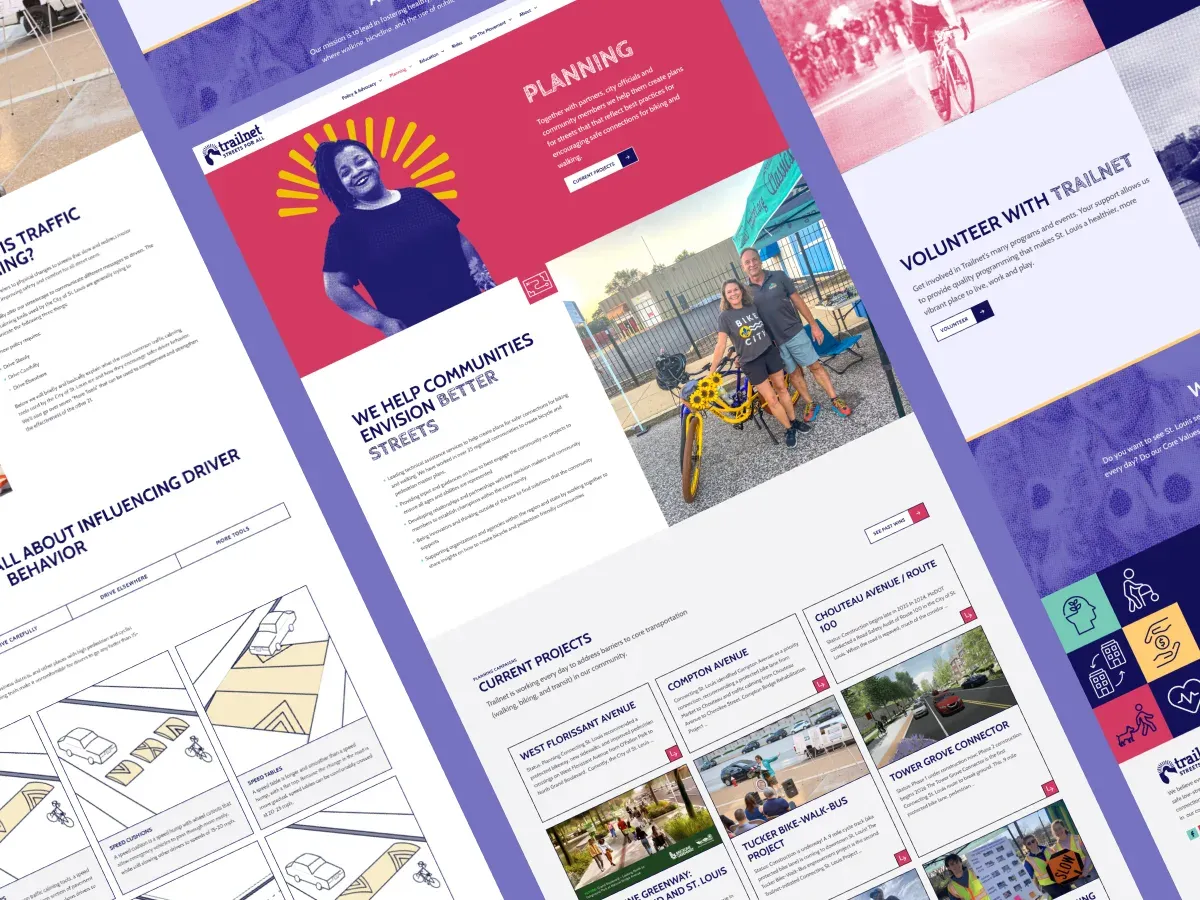
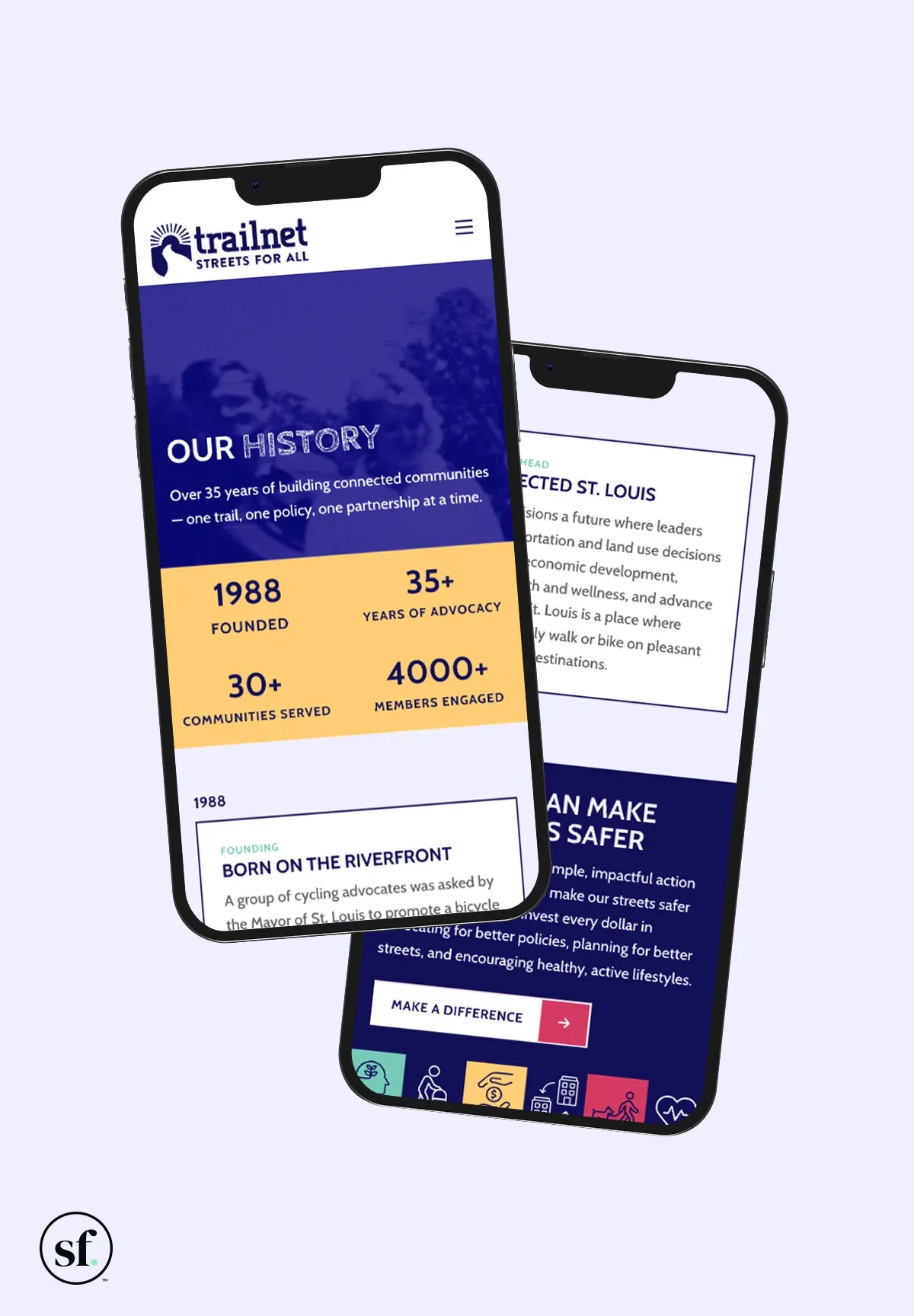
A site mapped around what supporters come to do, from riding and joining to giving, volunteering and advocacy.
Flyers, ads and pages that didn't look like one organization.
A visual brand guide that holds the website, campaigns and print to the same standard.
Campaigns that went only as far as the ad budget.
Ambassador and social toolkits volunteers use without waiting on a designer.
Online gifts nobody could trace back to a campaign.
Every gift tracked from the first click to the completed donation.
Each project built on the one before. Seven projects since 2024, and each one gave Trailnet's staff and volunteers better tools to carry the message themselves.
What we built
One system, from the first pledge to the next gift.
- 01 / Revenue strategy
What keeps Trailnet going?
Members, donors, riders and volunteers. Every project started from the action that matters most to the mission, whether that's joining, giving or showing up.
- 02 / Brand strategy
Does every piece look like Trailnet?
A lighter-touch brand refresh and a new visual brand guide, so a flyer, an ad and a web page all come from the same organization.
- 03 / Marketing strategy
What should a campaign ask for?
For Drive the Change, an executive summary, a messaging document and a pitch deck framework, all pointed at one action, the pledge.
- 04 / Channel strategy
Who carries the message?
The volunteers and ambassadors, with toolkits and Canva templates to do it in one voice, backed by Google and social ads, direct mail and event signage.
- 05 / Execution
What does the supporter see?
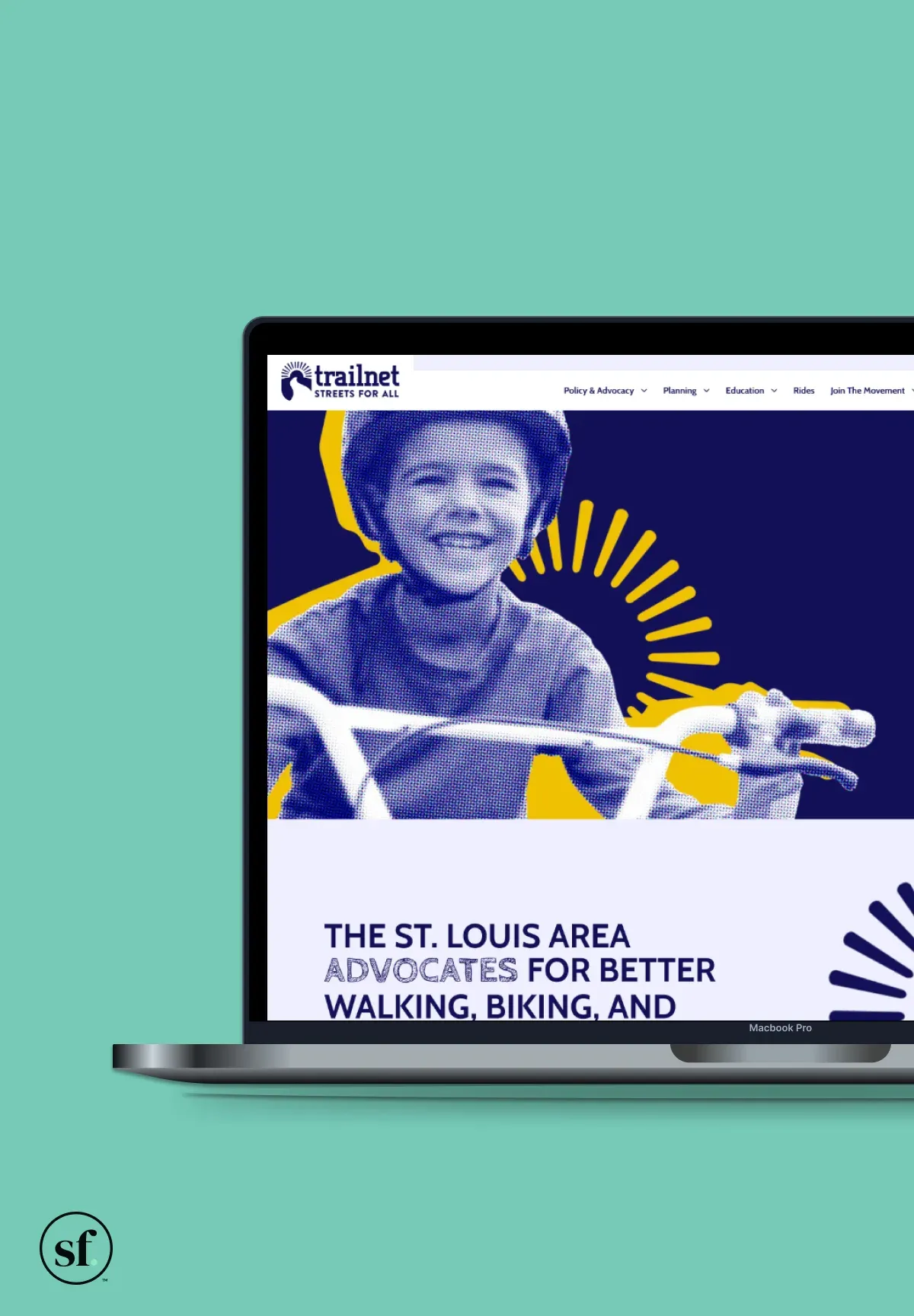
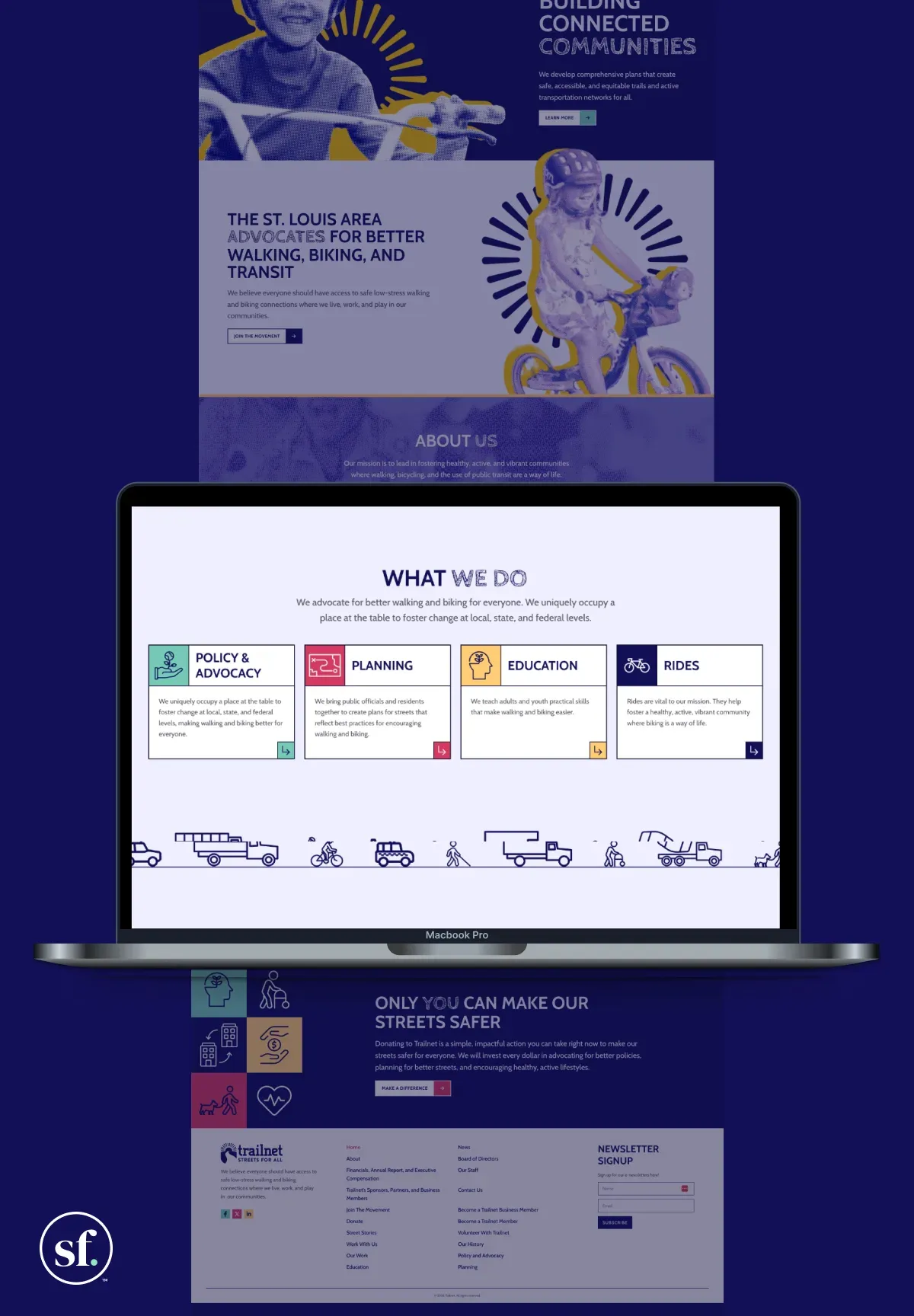
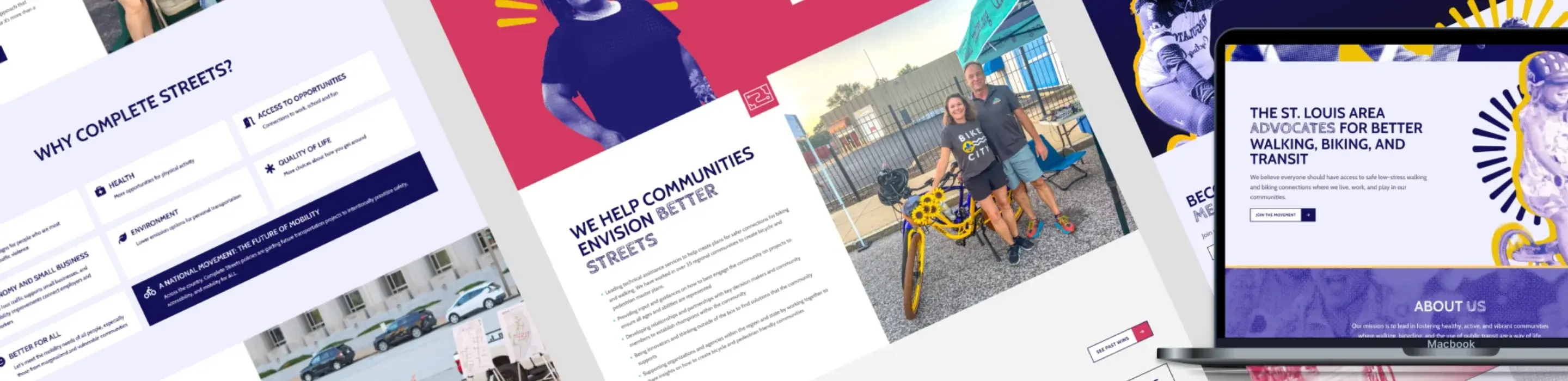
A pledge landing page and vanity URL, the Complete Streets for All landing page, and a rebuilt website the staff update themselves, with an SEO and AI search pass.
- 06 / RevOps and reporting
Which campaign brought the gift in?
Analytics counted every pledge, and online giving through Qgiv is now tracked from first click to completed gift, so Trailnet can see which campaigns and pages bring in support.
How one campaign became a partnership

2024: Drive the Change. Strategy, toolkits, a pledge page and ads, and hundreds of people took the pledge.
2024 to 2025: The follow-through. A cover ad, a direct mail postcard, event signage and the Ride the Rivers registration campaign.
2025 to 2026: The brand and the site. Complete Streets for All, a brand refresh, and a rebuilt website with giving tracked end to end.
None of it was planned as one big project. Each piece worked, so the next one made sense, and Trailnet ended up with a brand, a website and a campaign playbook that all point the same direction.