Built Around the Customer, Not the Catalog
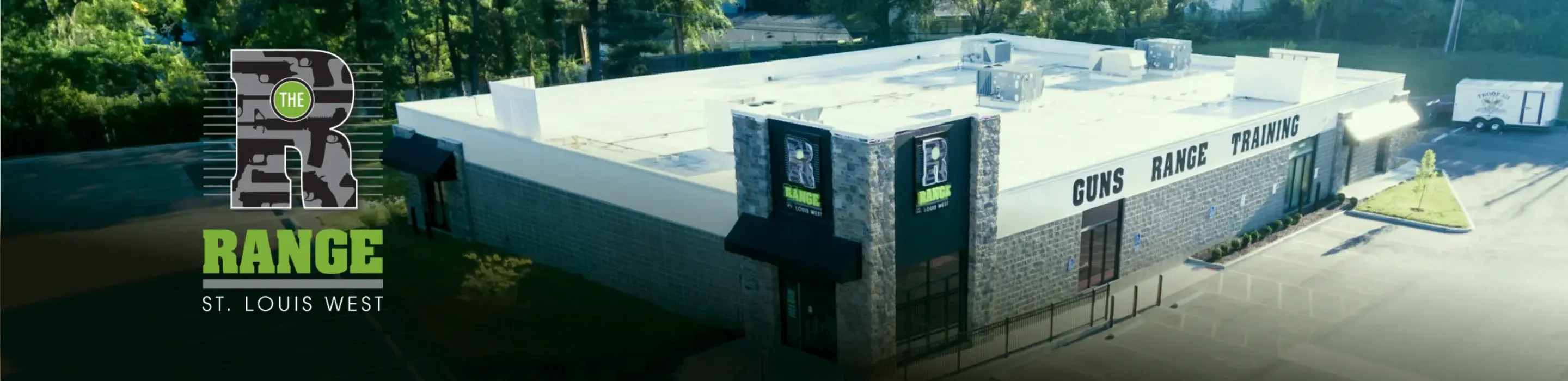
The Range St. Louis West is a shooting range, training center and gun shop with a large membership and a long customer list. The business was strong. The website wasn't pulling its weight: it mostly served people who already knew The Range, and it gave newcomers too many choices and no obvious place to start.
How do you build one website for two very different customers?
The Range brought Seafoam in as its fractional CMO to look at the whole picture, not just the site. We started with how customers actually find, choose and come back to a range, then rebuilt the website, the measurement and the marketing system around what we learned.
Capabilities used
The Challenge
The Range serves two very different customers. Experienced shooters know what they want and want to book it fast. Safety-minded beginners are often nervous, unsure which class to take, and one confusing page away from leaving. The old site treated them the same.
And nobody could see what was working. Nothing on the site was tracked as a conversion, so nobody could say which pages or channels were producing customers.
Before and after
Same range. Now the website knows who it's talking to.
One menu for regulars and first-timers alike.
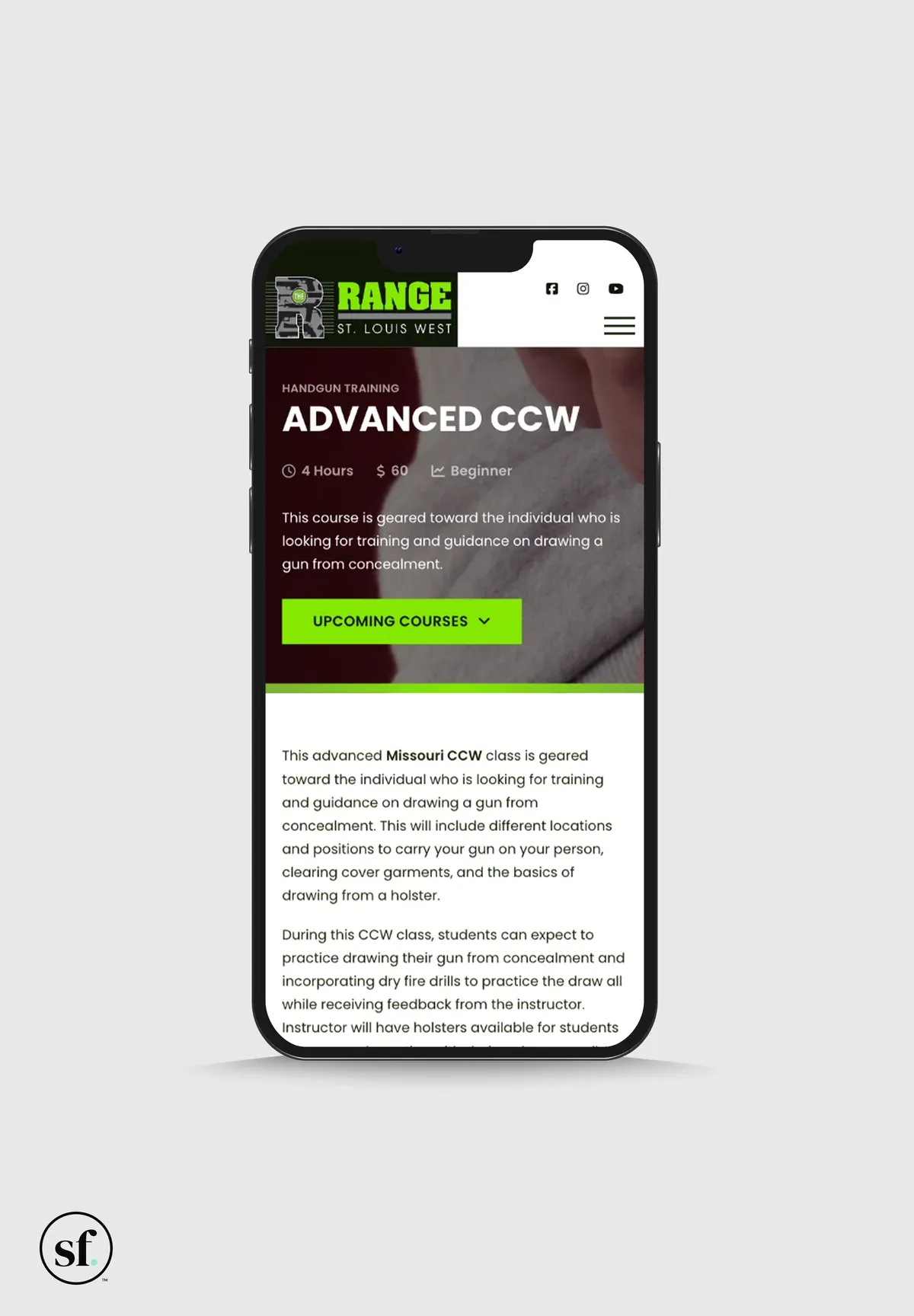
Visitors say who they are and land on the right path, with a Beginner Hub for first-timers.
Training sorted by weapon type, with the options piling up.
Simpler training paths, so a nervous beginner can find the right first class.
Nothing on the site counted as a conversion.
Every form and every completed online checkout tracked in Google Analytics.
Every inquiry landing in the same inbox.
Contact, FFL transfer and private event requests routed straight to the person who handles them.
One email for the whole customer list.
A self-ID survey that segments the list, so beginners and regulars get different emails.
It wasn't a traffic problem. July through September 2026 brought 8% more engaged visits than the same months of 2025, even though total traffic dipped 2%. The site just had to start working for the people already arriving.
What we built
One system, from the first visit to the next class.
- 01 / Revenue strategy
Who keeps a range busy?
Seafoam came in as fractional CMO to look at the whole business, not just the site. Strategy sessions at The Range in November 2025 started with how customers find, choose and come back to a range.
- 02 / Customer journey
Where do people get stuck?
Journey mapping through December and January defined the two core customers, experienced shooters and safety-minded beginners, and showed exactly where each one dropped off.
- 03 / Marketing strategy
How does each visitor find their way?
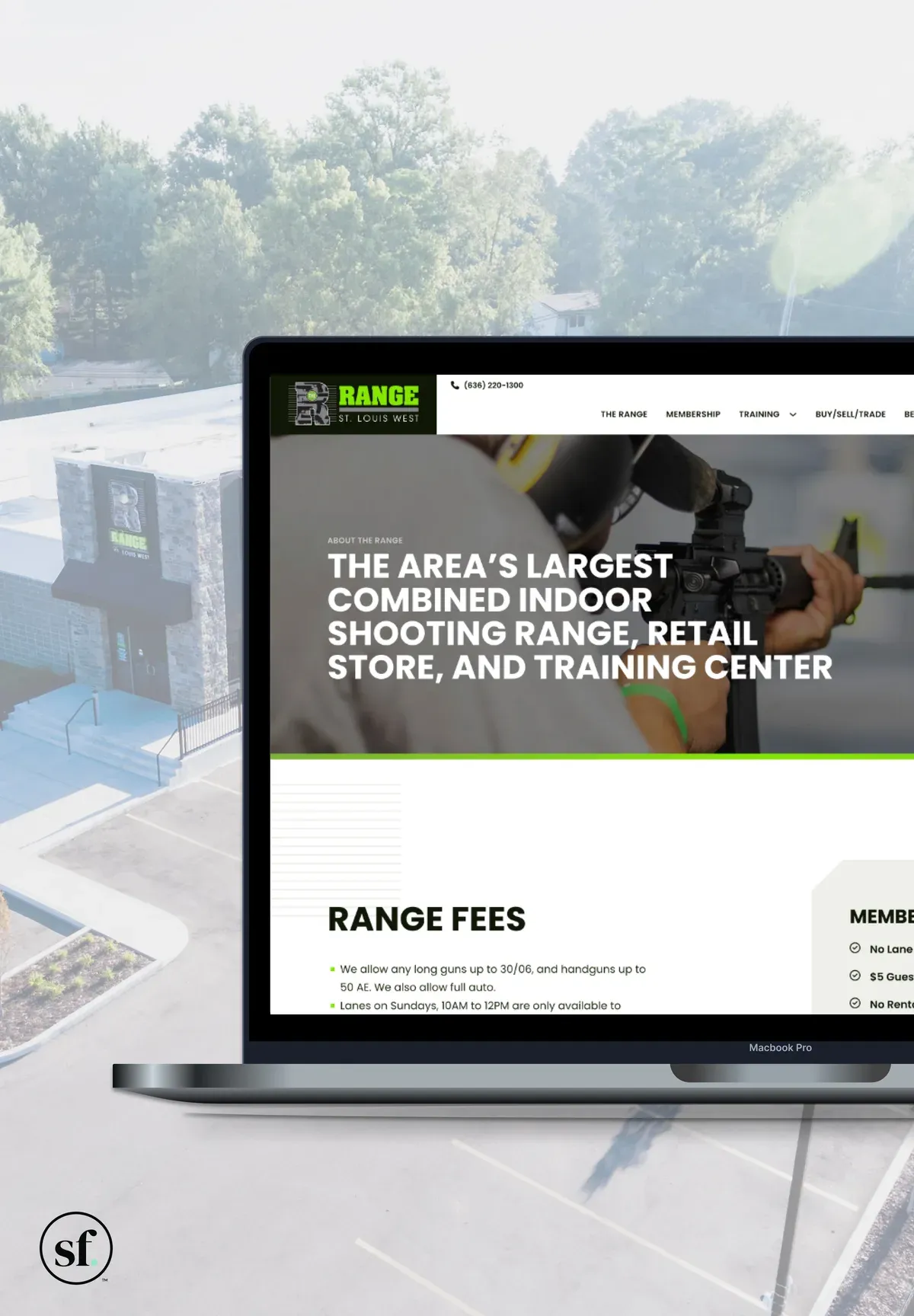
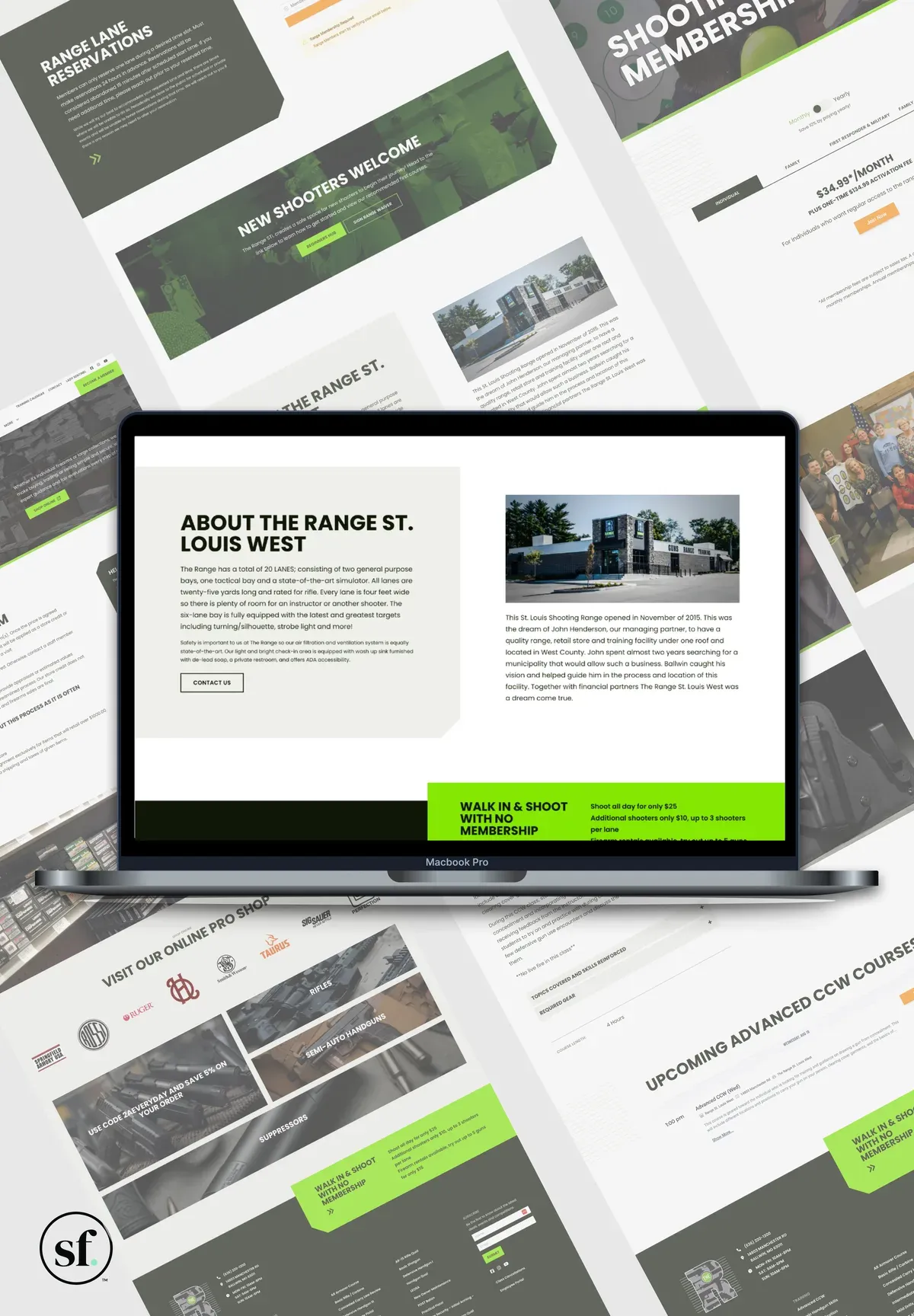
The site was rebuilt around the customer instead of the inventory. Visitors identify themselves early and get routed down the path built for them.
- 04 / Channel strategy
Where do local shooters look?
A fully built Google Business Profile, 35 directories and data networks placed or verified, and a full SEO and AI search pass at launch.
- 05 / Execution
What does the customer see?
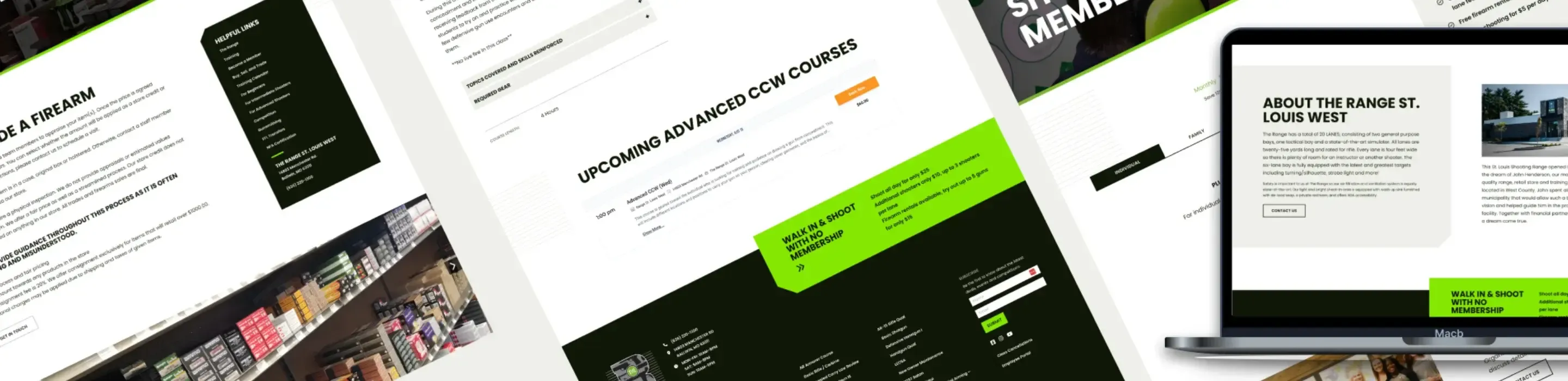
We wrote the content, designed and built the new site, and launched it in May 2026. A monthly content calendar and member email program keep it running.
- 06 / RevOps and reporting
Which page made the sale?
Every form and every completed checkout is a tracked conversion, and a form routing system sends each inquiry to the right person on staff.
What changed
For the first time, The Range can count what the site sells.
Before launch, none of this was measured. Now every checkout, inquiry and transfer request has a source, so The Range can see which pages and channels turn visitors into customers.
What this actually was

Start with the customer, not the catalog. Two audiences, two paths.
Put the measurement in at launch, so the first sale is counted.
Then keep running the system every month, from listings to content to email.
A new website is the easy part. What The Range got is a fractional CMO who looked at the whole business, built the site around how its customers actually buy, and kept running the marketing after launch.